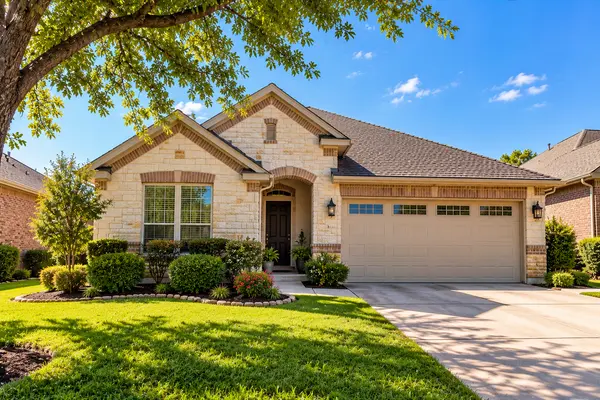
Selling Your Home in San Antonio: Step-by-Step Guide
Selling your home in San Antonio requires a realistic list price, careful preparation, complete disclosures, and a clear plan for closing costs before the property goes live. Buyers have more choices and can be more selective than during the market's fastest years, so a strong launch strategy matters. From deciding when to list through closing day, each step affects your timeline, negotiating position, and net proceeds.
San Antonio Home-Sale Market Snapshot: 2026
San Antonio's current market rewards sellers who launch with competitive pricing, strong presentation, and terms that account for buyer choice.
- Median sale price: $299,275 across the San Antonio-area market in August 2026, unchanged from a year earlier
- Average days on market: 82 days, up 11% year over year
- Months of inventory: 5.87 months
- Average original list-to-sale ratio: 92.8%
Recent Texas market reporting indicates that inventory has increased and price pressure has continued in San Antonio. That creates a more balanced environment than the rapid, low-inventory market of prior years. Sellers should focus on how their home compares with active alternatives, recent sales, and properties already under contract. (San Antonio-area MLS data, August 2026)
What the San Antonio Market Looks Like Right Now
San Antonio is a more selective market, which means sellers need to align price, condition, and terms with the homes buyers can compare today. Inventory growth has given buyers more options, while pricing pressure has made buyers less likely to overlook deferred maintenance or an ambitious list price.
The September 2026 Texas Housing Insight from the Texas Real Estate Research Center reported that San Antonio active inventory rose 4.4% year over year in July, with supply reaching 6.2 months, while home prices declined 1.1%, a smaller drop than June's 1.7%. That does not mean qualified buyers have disappeared. It means homes need a clear reason to stand out among nearby alternatives. Checking the latest San Antonio market snapshot before you list can show whether those conditions are shifting in your favor.
For a seller in the $300,000-and-above range, the relevant competition is usually not every home in San Antonio. It is the group of active, pending, and recently sold homes with a similar location, lot size, age, floor plan, condition, and ownership cost. A move-in-ready home can appeal to buyers who want a simpler transition. A home with visible maintenance needs may still sell, but its price and terms should account for the buyer's expected time, cost, and uncertainty.
Selling your home in San Antonio successfully is less about waiting for a perfect market and more about responding to the market in front of you.
Step 1: Decide When to Sell, and Whether You're Ready
The right time to sell is when your personal plans and your home's market position are both ready. Before listing, sellers should be able to answer yes to several practical questions.
Do you know your approximate mortgage payoff and the amount you may have available after closing costs? Can you manage your next move if the home takes longer to sell than expected? Do you have a plan for temporary housing, a purchase, a relocation, or a larger home if your move involves overlapping timelines?
Spring often brings increased buyer activity because many households prefer to move before a new school year and during longer daylight hours. However, seasonality does not replace a strong pricing strategy. In a market with more buyer choice, a well-prepared home can compete outside the traditional spring window, while an overpriced property may struggle even during a busy period.
Personal readiness also means gathering mortgage information, property-tax records, permits, repair receipts, warranties, utility details, and homeowners association documents when applicable. Those materials can help answer buyer questions quickly and reduce delays later in the transaction. Before listing, organize the financial and timing decisions that could affect your move.
Step 2: Price Your Home to Sell, Not Just to List
A strong San Antonio list price reflects current buyer choices and recent comparable sales, not an aspirational number based on a different market. The goal is to enter the market at a price supported by location, condition, features, and direct competition.
A comparative market analysis examines recent closed sales, pending listings, and active properties. Closed sales show where buyers and sellers reached agreement. Pending homes can indicate which properties are attracting accepted offers. Active listings reveal what buyers may tour alongside your home. Together, these categories establish a realistic range rather than a single guessed value. A data-based home valuation is a practical starting point for that range.
In a market with growing inventory and price pressure, overpricing can reduce early interest during the period when a new listing receives the most attention. Buyers and their representatives watch fresh inventory closely. If a home misses that initial audience because its price does not match its condition or location, later reductions may not restore the same urgency.
Reviewing recently sold homes alongside active competing properties helps distinguish a supportable asking price from a number that may require repeated reductions. Pricing for a faster sale and pricing for the strongest possible net proceeds are not necessarily opposite strategies. A well-supported opening price can increase showings, strengthen buyer confidence, and improve the quality of offers.
The right approach depends on your timeline, the home's condition, and your alternatives. A seller who needs a defined closing date may value certainty and cleaner terms. A seller with more flexibility may consider a broader pricing range, provided it remains defensible against comparable homes.
Common Pricing Mistakes in San Antonio
- Using an online estimate as a substitute for recent comparable closed sales.
- Comparing a renovated property with an unupdated home without adjusting for condition.
- Listing high "just to see" and losing the momentum of a new listing.
- Making small reductions after buyer attention has already shifted elsewhere.
Step 3: Prepare Your Home for What Moves the Needle
The most useful pre-listing work is fixing visible maintenance concerns, cleaning thoroughly, and making the home easy for buyers to understand. Buyers often form their strongest impressions within minutes, so preparation should first remove doubt before adding cosmetic appeal.
Start with obvious maintenance concerns, including damaged finishes, leaks, malfunctioning systems, exterior wear, and safety-related issues. Next, deep clean, declutter, and remove excess personal items so rooms feel larger and buyers can understand the layout. Cosmetic updates such as neutral paint, refreshed lighting, updated hardware, and basic landscaping can improve presentation without committing to a major remodel.
Staging is most useful when it clarifies how a room functions or helps buyers see the scale of a space. Professional photography should accurately show the home's strongest features while setting realistic expectations for its condition.
Large, highly customized remodels deserve caution. A project that exceeds the finish level of nearby competing homes may not return its full cost at resale. Functional repairs, curb appeal, clean surfaces, and bright, organized rooms are often more useful than a major renovation completed solely for listing.
San Antonio buyers commonly pay close attention to roof age, foundation history, HVAC performance, drainage, and signs of water intrusion. A pre-listing review can help a seller understand the home's condition before marketing begins. Organizing invoices, warranties, and service records can also make buyer conversations more productive.
Seller Costs: What to Expect at Closing in San Antonio
Seller closing costs in San Antonio vary by contract terms, but they commonly include negotiated compensation, title-related charges, prorated taxes, payoff items, and any agreed concessions.
| Cost item | Typical range or rate | Who pays | Notes |
|---|---|---|---|
| Agent compensation | Negotiated in the listing agreement | Seller / negotiable | Compensation and any buyer-side contribution are contract terms. |
| Transfer tax or deed tax | Texas does not impose a state real-estate transfer tax | N/A | Recording-related charges can still apply. |
| Title and escrow fees | Varies by sales price and negotiated terms | Seller / negotiable | Owner's title policy and settlement charges are commonly addressed in the contract. |
| Attorney fees | Not generally required for a standard residential closing | Negotiable | Sellers may seek legal advice for complex title, estate, or legal matters. |
| Home warranty | Optional | Seller / negotiable | May be offered if it supports the negotiated transaction. |
| Prorated property taxes | Based on the closing date | Seller / negotiable | Taxes are generally allocated between buyer and seller at closing. |
| Seller concessions | Negotiated | Seller / negotiable | Credits may relate to buyer costs, repairs, or other agreed terms. |
Texas title insurance rates, forms, and related rules are regulated by the Texas Department of Insurance. Under the rate schedule effective March 1, 2026, the basic owner's policy premium on a $350,000 sale works out to about $2,015 before endorsements. A transaction-specific settlement estimate is the clearest way to understand the costs and credits tied to your sale.
Step 4: Navigate Disclosures and Legal Requirements
Texas sellers generally need to provide a written Seller's Disclosure Notice for a previously occupied single-family residential property, subject to statutory exemptions. The disclosure process is designed to give buyers information about known material facts and the property's condition.
The Texas Real Estate Commission Seller's Disclosure Notice relates to Texas Property Code Section 5.008. Sellers should answer carefully and truthfully based on what they know. Do not guess, minimize a known issue, or leave out a material condition simply because it was repaired in the past.
The form addresses matters such as structural components, systems, repairs, water-related history, and other conditions that may affect a buyer's decision. If records exist, keep repair invoices, warranties, permits, and supporting documents organized for the transaction file.
Additional disclosures can arise based on the home's age, location, utilities, homeowners association status, environmental conditions, or other property-specific facts. Homes built before 1978 may involve federal lead-based paint disclosure requirements. Properties governed by a homeowners association may also require delivery of association documents and notices.
Non-disclosure can create costly problems after closing. A buyer who believes material information was withheld may pursue legal remedies. The practical approach is to disclose known facts, maintain records, and consult qualified legal or tax professionals when questions go beyond real estate brokerage.
Step 5: Review Offers and Negotiate Effectively
The best offer is the one most likely to close on terms that meet your goals, not automatically the one with the highest price. In a market where buyers have choices, sellers should evaluate every offer as a complete package.
Start with the purchase price, earnest money, financing strength, requested concessions, proposed closing date, and buyer contingencies. A buyer with solid financing documentation, a workable timeline, and fewer unresolved conditions may present less risk than a higher offer with substantial credits or uncertain financing.
Earnest money is negotiated rather than fixed by Texas law. Its value is not only the amount deposited, but also what it signals about buyer commitment and the remedies available if the transaction does not proceed. Review all deadlines carefully, including those related to financing, title objections, property condition, and buyer termination rights.
When more than one offer arrives, compare projected net proceeds rather than price alone. A higher price may be offset by requested repairs, closing-cost credits, occupancy requests, or a longer timeline. Escalation clauses also deserve close review because the seller should understand the buyer's maximum amount, proof requirements, and competing-offer language.
Counteroffers allow sellers to improve terms without rejecting a buyer outright. Price, credits, timing, included items, and other provisions can all be negotiated. A seller's strongest leverage comes from clear priorities, responsive communication, and a home that entered the market positioned to compete.
Step 6: Move Through Escrow and Close
After an offer is accepted, the transaction moves into the contract-to-closing phase, where the seller must meet deadlines and keep the property in the agreed condition. In Texas, title companies commonly coordinate title work, payoff information, settlement documents, and the closing process.
Buyers may raise repair requests during their due-diligence period. A seller can agree to repairs, decline the request, offer a credit, or negotiate another solution. The right response depends on the issue, the contract terms, the home's market position, and the likelihood that another buyer would raise the same concern.
If the buyer is financing the purchase, the lender's valuation process can affect the transaction. When the supported value comes in below the contract price, the parties may renegotiate price or other terms, increase the buyer's cash contribution, or decide not to proceed if no agreement is reached.
A financed transaction often takes several weeks from contract acceptance to closing, while a cash transaction may move faster when title work is straightforward. Before closing, confirm mortgage payoff details, utility arrangements, keys, garage remotes, access devices, and any items included in the sale.
The final walkthrough gives the buyer an opportunity to confirm that the property remains in the agreed condition before documents are signed. Sellers with unusual title, estate, tax, or legal issues should seek appropriate professional guidance early rather than waiting until the closing date.
Your Net Proceeds: A Simple Framework
Pro tip: Estimate likely net proceeds before committing to a list price.
- Start with the anticipated sale price.
- Subtract your mortgage payoff and any liens that must be cleared.
- Subtract negotiated closing costs and transaction expenses.
- Subtract seller concessions, repair credits, or agreed buyer incentives.
- Compare the remaining amount with your moving costs and next-home plans.
If your home has appreciated significantly and you have owned it for fewer than two years, discuss possible capital-gains consequences with a qualified tax professional. For a closer look at comparing offers by their bottom line, these tips on reading a seller net sheet walk through a worked example.
Planning Your San Antonio Home Sale
Toni Sarzoza, Realtor/Broker with Tripoint Realty, LLC, brings more than 20 years of Texas real estate experience to pricing, preparation, and negotiation for San Antonio sellers. She can help you review comparable sales, estimate your net proceeds, and build a listing timeline around your next move, in English or Spanish, with no obligation.
Call or text +1 (210) 273-1499 , send email to toni@tripointrtx.com or Reach Tripoint Realty online
Frequently Asked Questions
How long does it take to sell a home in San Antonio right now?
The selling timeline depends on price, condition, location, and buyer demand, followed by several weeks for many financed transactions to close. San Antonio-area homes averaged 82 days on market in August 2026, and the Texas Real Estate Research Center's September 2026 report showed supply reaching 6.2 months, so sellers should allow time for buyers to compare homes and negotiate terms.
What are the total costs of selling a home in San Antonio?
A seller's expenses may include negotiated compensation, title-related charges, prorated property taxes, mortgage payoff, repairs, and buyer concessions. Texas does not impose a state real-estate transfer tax, although recording and settlement charges may still apply. A transaction-specific net sheet offers the clearest estimate.
Do I need an attorney to sell a home in San Antonio?
An attorney is not generally required for a standard residential sale in Texas. Title companies commonly coordinate settlement, while legal counsel can be useful for estate, title, tax, or other complex circumstances.
Should I sell before I buy my next home, or buy first?
Selling first can clarify your available proceeds and reduce the risk of carrying two homes at once. Buying first can provide more control over the move, but it may create financial pressure if the current property takes longer to sell. The better choice depends on reserves, timing, and comfort with overlapping obligations.
What is the best time of year to sell a home in San Antonio?
Spring often attracts more buyer activity because households may prefer to move before the new school year. Still, recent San Antonio conditions show why pricing and preparation matter more than the calendar alone. A well-positioned home can attract serious interest in any season.
Recent Posts